
NEW YORK — An anthropologist and academic warned that what is often described as anti-Zionism has evolved into a distinct and dangerous form of modern antisemitism, arguing that the rhetoric has moved from the political fringes into the cultural and political mainstream.
Join our WhatsApp groupSubscribe to our Daily Roundup Email
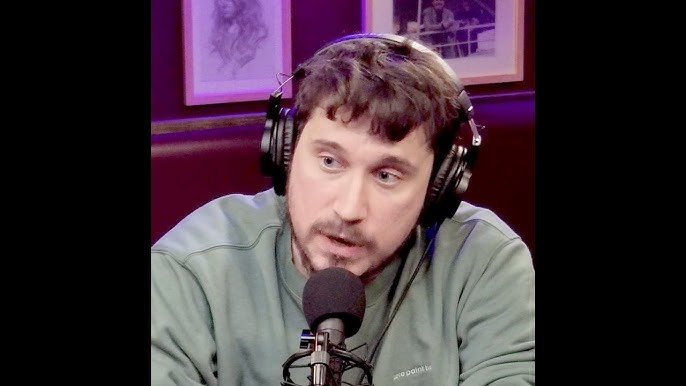
Speaking in an interview with Rabbi Daniel Schonbuch, a licensed marriage and family therapist, and attorney Lori Fein on The Viktor Frankl Podcast, Adam Louis-Klein said the period following Hamas’ Oct. 7 attack on Israel marked a turning point in how anti-Zionist language is used and normalized in Western societies.
Louis-Klein, a doctoral candidate in anthropology at McGill University who also writes for Tablet and The Free Press, said commonly used terms such as “colonizer,” “apartheid,” “genocidal,” and “Zionazi” now function less as political critique and more as a standardized form of hate speech.
“When someone strings these accusations together,” Louis-Klein said, “the intent is clear — to stigmatize Jews while bypassing social norms that would otherwise reject overt antisemitism.”
He told Schonbuch and Fein that Western societies have entered what he described as an “anti-Zionist age,” drawing parallels to earlier eras when antisemitism served as an accepted political framework.
“In the late 19th and early 20th centuries, political movements organized anxiety around ‘the Jewish question,’” he said. “Today, those same anxieties are increasingly projected onto Israel and so-called ‘Zionists.’”
Responding to questions from Fein, Louis-Klein said ideas once confined to academic theory gained authority through what he described as a pipeline linking elite universities, nongovernmental organizations, media outlets and international institutions. Concepts such as “settler colonialism,” “apartheid” and “genocide,” he said, were elevated from contested claims into assumed truths.
Once those ideas were granted academic legitimacy, he argued, they became increasingly difficult to challenge and dangerous to question.
Louis-Klein said the effectiveness of anti-Zionist messaging lies in its alignment with the moral instincts of the post-World War II West, where racism, colonialism and genocide are widely viewed as the ultimate evils.
“By casting Israel as the embodiment of all three,” he said, “anti-Zionism offers a ready-made moral crusade that often collapses Jewish identity into collective guilt.”
Fein emphasized the legal and cultural consequences of that dynamic, noting that discrimination often occurs based on perception alone, targeting Jews and their allies as a group rather than addressing individual conduct or policy positions.
Louis-Klein concluded that confronting the phenomenon requires conceptual clarity.
“Once you can name it,” he said, “you can finally fight it.”
Rabbi Daniel Schonbuch, LMFT, is a New York–based psychotherapist, author, and host of The Viktor Frankl Podcast, a rapidly growing platform exploring psychology, culture, faith, and current events through the lens of Viktor Frankl’s logotherapy. He is the author of five books, including Viktor Frankl and the Psychology of the Soul, and is the founder of the Torah Psychology School of Coaching and Counseling. His work focuses on helping individuals find meaning, build emotional resilience, and navigate complex social and political dynamics with clarity and compassion. You can follow him at rabbiforamerica.com.
 wpDiscuz